How Brands Use AI to Predict Consumer Behavior in 2026
Mon, 27 Apr 26
How Brands Use AI to Predict Consumer Behavior in 2026
Discover how brands use AI to predict consumer behavior in 2026, improve personalization, and boost
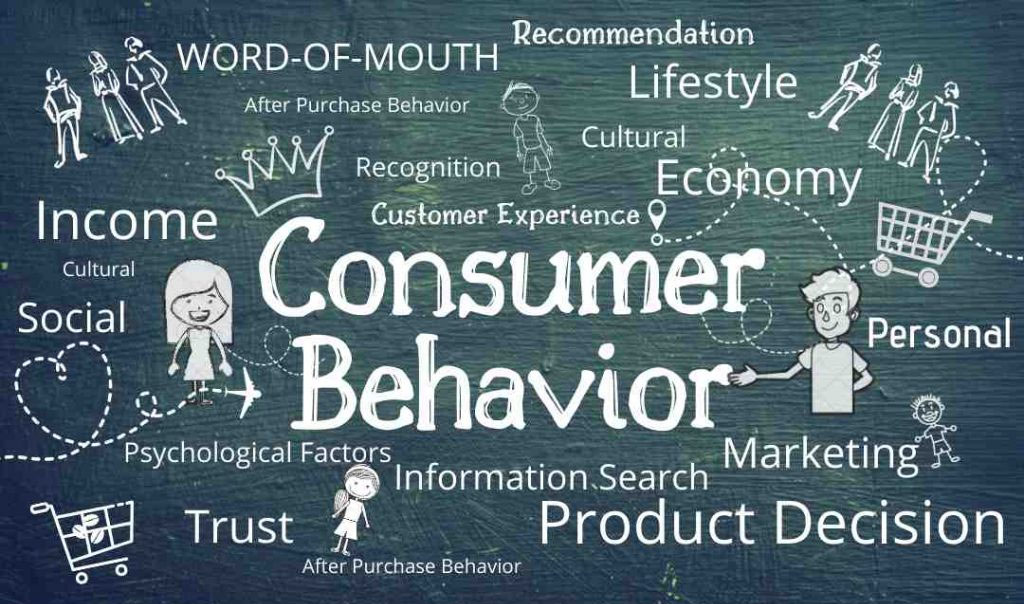
If you have ever wondered how brands seem to know what you want before you even search for it, you are not alone. In 2026, AI to predict consumer behavior has become one of the most powerful tools in marketing. Businesses are no longer reacting to trends. They are anticipating them with remarkable accuracy.
From personalized product recommendations to dynamic pricing and tailored email campaigns, brands are using advanced data models to decode customer intent. The result is a smoother, more intuitive buying experience that feels almost effortless to the consumer.
What Does Predicting Consumer Behavior Actually Mean?
At its core, predicting consumer behavior is about analyzing patterns. Every click, search, purchase, and even time spent on a page tells a story. AI systems process these signals to answer key questions:
- What will the customer buy next?
- When are they most likely to make a purchase?
- What type of messaging will influence their decision?
Unlike traditional analytics, modern AI does not just report past behavior. It forecasts future actions. This shift is what makes it so valuable in 2026.
How Brands Are Using AI in Real Time
1. Hyper-Personalized Shopping Experiences
Personalization has moved far beyond adding a first name to an email. Brands now tailor entire experiences based on individual preferences.
AI studies browsing history, purchase behavior, and even scrolling patterns to create unique product suggestions. This is why two people visiting the same website may see completely different content.
For example, an online clothing store might show casual wear to one user and formal outfits to another, based on past interactions.
2. Predictive Product Recommendations
Recommendation engines have become incredibly sophisticated. Instead of suggesting items based only on similar purchases, AI now predicts what customers will need next.
Think of it as moving from “people also bought” to “you will likely need this soon.”
This approach increases both customer satisfaction and average order value, making it a win for both sides.
3. Smarter Inventory and Demand Forecasting
Brands are no longer guessing how much stock to keep. Predictive models analyze seasonal trends, market shifts, and consumer sentiment to forecast demand accurately.
This reduces overstock and prevents stockouts, which can frustrate customers and hurt revenue.
Retailers, especially in fast-moving industries, rely heavily on this capability to stay competitive.
The Role of Data in Predictive Marketing
Data is the backbone of everything. But it is not just about collecting more data. It is about using it intelligently.
Modern systems combine multiple data sources:
- Website behavior
- Purchase history
- Social media engagement
- Customer feedback
AI processes this information in seconds, identifying patterns that humans would miss. This allows brands to respond instantly to changing customer needs.
Behavioral Segmentation Gets an Upgrade
Traditional segmentation grouped customers into broad categories like age or location. In 2026, segmentation is far more nuanced.
AI creates micro-segments based on behavior. For instance:
- Impulse buyers vs. research-driven shoppers
- Discount seekers vs. premium buyers
- Loyal customers vs. occasional visitors
This level of detail helps brands craft messaging that resonates deeply with each group.
Real-Time Decision Making
One of the biggest shifts is the ability to act in real time.
Imagine a customer browsing a product page but hesitating. AI can instantly trigger a personalized discount or show a relevant review to nudge the decision.
This kind of responsiveness was impossible just a few years ago. Now it is becoming the norm.
Predictive Pricing Strategies
Pricing is no longer static. Brands use AI to adjust prices based on demand, competition, and customer behavior.
For example:
- Higher demand can trigger a slight price increase
- Loyal customers may receive exclusive discounts
- Price-sensitive users might see limited-time offers
This dynamic pricing strategy helps maximize revenue while keeping customers engaged.
Customer Retention Through Prediction
Acquiring new customers is expensive. That is why brands focus heavily on retention.
AI helps identify early signs of churn, such as reduced engagement or fewer purchases. Once detected, brands can take action:
- Send personalized offers
- Recommend relevant products
- Re-engage through targeted campaigns
This proactive approach keeps customers from leaving in the first place.
Ethical Considerations and Consumer Trust
With great power comes responsibility. As brands collect and analyze more data, privacy concerns have become more important than ever.
Consumers expect transparency. They want to know how their data is being used and why.
Successful brands in 2026 are those that balance personalization with trust. They provide value without crossing boundaries.
Clear communication and ethical data practices are no longer optional. They are essential.
How Small Businesses Can Leverage AI
You do not need a massive budget to benefit from predictive marketing.
Many tools now offer accessible AI features that help small businesses:
- Analyze customer behavior
- Automate marketing campaigns
- Generate personalized recommendations
Even simple insights, like identifying your most loyal customers or best-selling products, can make a significant difference.
Start small. Focus on one area, such as email marketing or product recommendations, and build from there.
Key Benefits of Using AI to Predict Consumer Behavior
Brands adopting predictive AI are seeing measurable results:
- Higher conversion rates
- Improved customer satisfaction
- Reduced marketing waste
- Better inventory management
These benefits are not just for large corporations. Businesses of all sizes can tap into this potential.
The Future of Predictive Marketing
Looking ahead, predictive marketing will only become more refined.
We can expect:
- Even more accurate forecasts
- Deeper personalization
- Seamless integration across platforms
The line between online and offline experiences will continue to blur, creating a unified customer journey.
Brands that adapt early will have a clear advantage.
Conclusion: Turning Insights Into Action
Understanding AI to predict consumer behavior is no longer a luxury. It is a necessity for staying relevant in 2026.
The brands winning today are not just collecting data. They are using it to create meaningful, personalized experiences that anticipate customer needs.
If you are a business owner or marketer, now is the time to explore how predictive insights can transform your strategy. Start experimenting, stay ethical, and focus on delivering real value.
The future of marketing is not about guessing. It is about knowing and acting at the right moment.