What Is Consumer Behaviour in Marketing?
Tue, 13 Jan 26
What Is Consumer Behaviour in Marketing?
Learn what consumer behaviour in marketing means, why it matters, and how businesses use it to influ
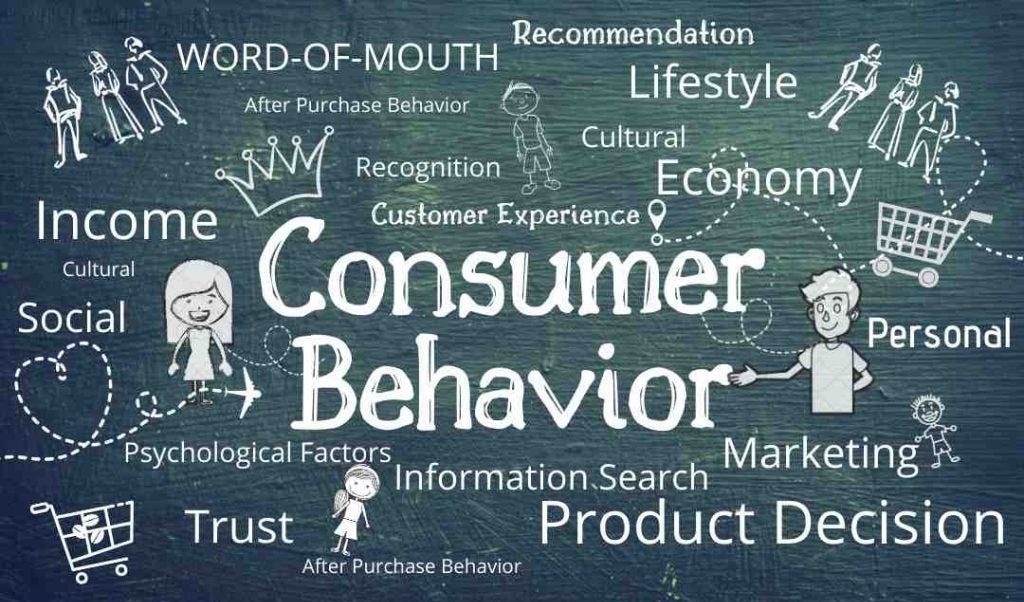
Have you ever wondered why you chose one brand over another, even when the products looked almost the same? Maybe it was a trusted name, a friend’s recommendation, or simply how the product made you feel. That decision is not random. It’s shaped by consumer behaviour in marketing the study of how people think, feel, and act when they make buying choices.
Understanding consumer behaviour helps businesses connect with customers in a more meaningful way. Instead of guessing what people want, marketers can use insight and data to offer products, messages, and experiences that actually resonate.
Let’s break it down in a simple, practical way.
What Is Consumer Behaviour?
Consumer behaviour refers to how individuals or groups select, buy, use, and respond to products and services. It looks at the “why” behind purchasing decisions, not just the “what.”
It includes things like:
- What motivates someone to buy
- How they compare brands
- What influences their trust
- When they are most likely to make a purchase
In marketing, understanding consumer behaviour allows businesses to design better campaigns, improve products, and build stronger relationships with customers.
At its core, it’s about understanding people.
Why Consumer Behaviour Matters in Marketing
Marketing is not just about selling. It’s about solving problems for the right people at the right time. When you understand consumer behaviour, you gain a powerful advantage.
Here’s why it matters so much:
1. It helps you target the right audience
Not everyone is your customer. By studying customer behaviour, businesses can identify who is most likely to buy and focus their efforts there.
2. It improves product development
Knowing what customers need, dislike, or struggle with helps companies create better products that fit real-life problems.
3. It strengthens marketing messages
When you understand what drives your audience emotionally and practically, your marketing feels more personal and more persuasive.
4. It boosts customer loyalty
People come back to brands that understand them. Consumer behaviour analysis helps businesses build trust and long-term relationships.
Key Factors That Influence Consumer Behaviour
Every buying decision is shaped by a mix of internal and external influences. These factors explain why two people can look at the same product and react completely differently.
Psychological Factors
These are related to how people think and feel. They include:
- Motivation
- Perception
- Beliefs
- Attitudes
For example, someone who values health will respond differently to a fitness product than someone who doesn’t.
Social Factors
People are influenced by others, often more than they realize. This includes:
- Family
- Friends
- Online reviews
- Social media
A recommendation from someone you trust can be more powerful than any advertisement.
Cultural Factors
Culture shapes values, habits, and preferences. It affects everything from food choices to fashion and technology.
Personal Factors
These include age, income, lifestyle, and occupation. A college student and a working professional may want very different things, even if they live in the same city.
The Consumer Buying Process
Most purchases follow a pattern, even if buyers are not aware of it. Understanding this process helps marketers meet customers at every stage.
1. Problem Recognition
The buyer realizes they need or want something. This could be a broken phone or the desire for a new outfit.
2. Information Search
They start looking for options. This may involve searching online, asking friends, or reading reviews.
3. Evaluation of Alternatives
The buyer compares different brands, prices, and features.
4. Purchase Decision
They choose one product and complete the purchase.
5. Post-Purchase Behavior
After buying, the customer evaluates their experience. If they are happy, they may become a repeat buyer. If not, they may avoid the brand in the future.
Smart marketers design content, ads, and support systems for each stage of this journey.
How Businesses Use Consumer Behaviour Data
Today, businesses have more access to customer data than ever. When used correctly, this data reveals powerful insights about buying patterns and preferences.
Some common ways companies use consumer behaviour insights include:
- Personalizing email campaigns
- Improving website design
- Adjusting product pricing
- Creating targeted ads
- Enhancing customer experience
For example, if data shows customers abandon their cart before checkout, a business might offer free shipping or a limited-time discount to encourage completion.
This kind of behavior-based marketing makes communication feel relevant rather than intrusive.
Consumer Behaviour in Digital Marketing
The online world has changed how people shop. Before making a decision, customers often research, compare, and read reviews. This has made consumer behaviour analysis more important than ever.
In digital marketing, businesses track:
- Website visits
- Clicks
- Time spent on pages
- Search history
- Purchase patterns
These insights help marketers understand what customers are interested in and when they are ready to buy.
For example, if someone repeatedly views a product but doesn’t purchase, a brand might show them a reminder ad or send a follow-up email.
This is consumer behaviour in action just in a digital environment.
Real-World Example of Consumer Behaviour
Imagine two people shopping for running shoes.
One wants the cheapest option. The other wants a trusted brand with comfort and style. Even though they are buying the same type of product, their behaviour is shaped by different priorities.
A smart brand offers:
- Budget-friendly options for price-sensitive buyers
- Premium, feature-rich options for quality-focused customers
By understanding these differences, companies can serve both without confusing their message.
How Small Businesses Can Use Consumer Behaviour
You don’t need a massive budget or complex software to apply consumer behaviour principles. Even small businesses can benefit by paying attention to how customers act.
Here are a few practical tips:
- Ask for customer feedback
- Watch how people interact with your website or store
- Notice what products sell fastest
- Listen to customer questions and complaints
These insights help you adjust your offerings and marketing to match what people actually want.
Conclusion:
Consumer behaviour in marketing is not just a theory it’s a practical tool that helps businesses grow. When you understand how customers think, feel, and decide, you can create better products, stronger messages, and more meaningful experiences.
Whether you’re a student learning marketing, a startup building a brand, or a small business trying to grow, understanding consumer behaviour gives you clarity and confidence.