Why Qualitative Market Research Is So Challenging
Sat, 06 Dec 25
Why Qualitative Market Research Is So Challenging
Discover the most common challenges in qualitative market research and learn how to overcome them to
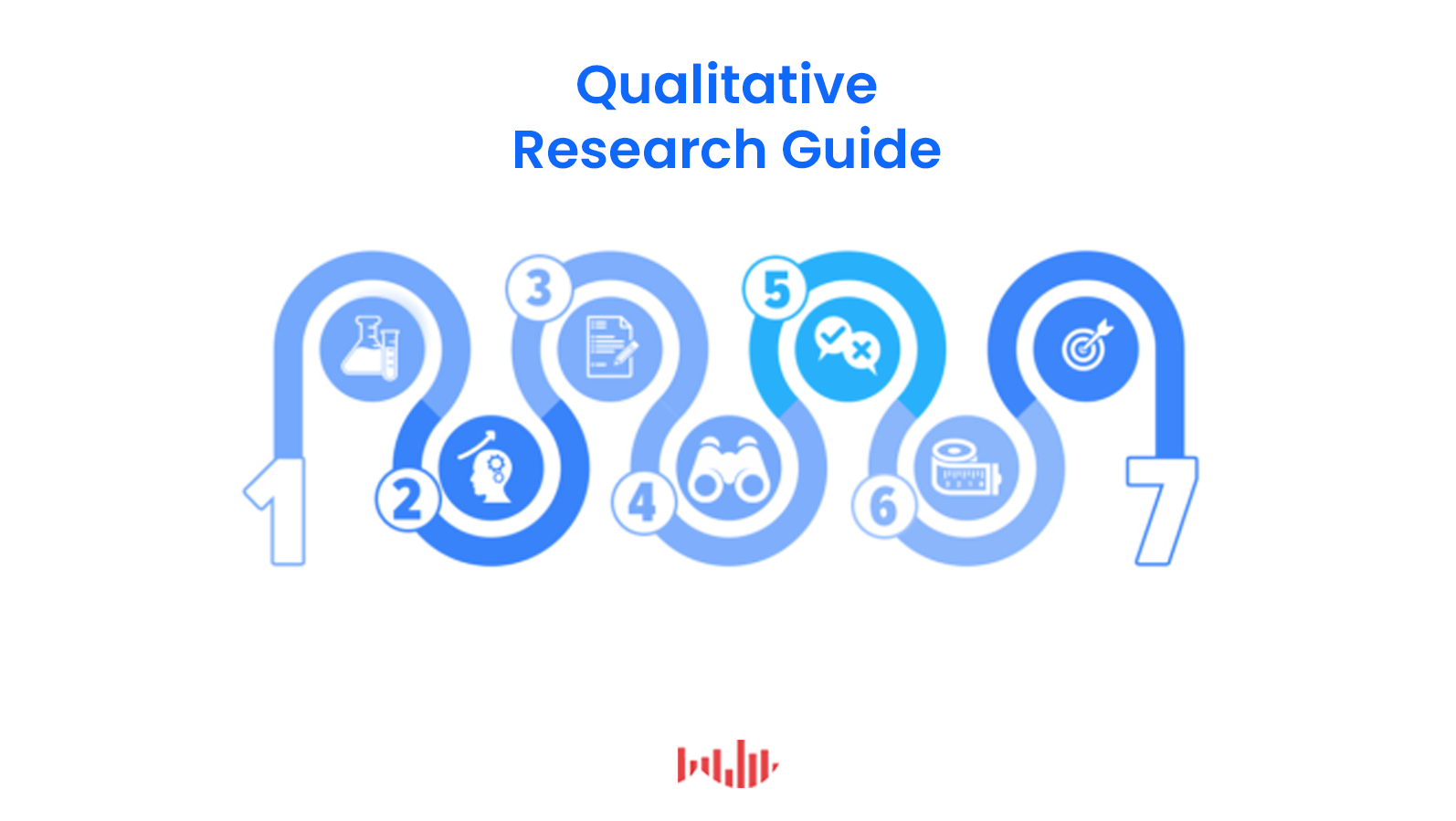
Qualitative market research is often praised for its depth and nuance, yet anyone who has worked with focus groups, interviews, or ethnographic studies knows it can be surprisingly difficult. The open-ended nature of qualitative inquiry while powerful comes with unique hurdles. For marketing teams and small business owners who rely on these insights to shape strategy, understanding these challenges is essential to improving outcomes and avoiding costly misinterpretations.
In this article, we’ll break down the biggest challenges in qualitative market research, why they happen, and how teams can address them without losing the richness that makes qualitative research so valuable.
The Art and Complexity of Asking the Right Questions
One of the earliest hurdles appears before any data is collected: question design. Crafting questions that are open enough to spark conversation yet specific enough to yield useful insights is a delicate balancing act.
If questions are too broad, discussions drift away from the topic. Too narrow, and participants repeat predictable answers. This challenge is especially visible during focus groups, where a single poorly framed prompt can derail the entire session.
Skilled moderators spend a great deal of time shaping questions, anticipating participant reactions, and planning follow-ups. But even with a solid script, conversations often take unexpected turns. That unpredictability is both the beauty and the headache of qualitative research.
Getting Participants to Share Honest Insights
At the heart of qualitative research lies human behavior and humans aren't always clear, accurate, or comfortable expressing what they think. Social pressure, personal biases, and peer influence can all distort responses.
Common obstacles include:
1. Social desirability bias
Participants may share what they think the moderator wants to hear rather than how they truly feel. This is particularly common when discussing sensitive topics such as pricing perceptions or personal habits.
2. Group dynamics
In focus groups, stronger personalities can overshadow quieter participants. When the loudest voice sets the tone, the nuance fades.
3. Memory limitations
People often struggle to recall their real decision-making process. They can describe what they believe they do, but not necessarily what happens in the moment.
This is why qualitative researchers often use projective techniques storytelling prompts, role-playing, or imagery to help participants express deeper motivations that wouldn’t emerge through direct questioning.
Recruiting the Right Participants
Another major challenge is recruiting a truly representative group. While qualitative research doesn't aim for statistical representation, it does require diversity of viewpoints and relevant user profiles. Unfortunately, finding these individuals is rarely straightforward.
Small business owners often discover that the target audience they think they need is different from the one their product naturally attracts. Meanwhile, marketing teams working with niche audiences can spend weeks searching for qualified participants.
Even when the right people are recruited, no-shows, cancellations, and last-minute replacements can compromise the study. The quality of qualitative insights depends heavily on who is in the room and ensuring the right mix takes time, planning, and flexibility.
Moderator Influence and Unconscious Bias
A skilled moderator can draw out powerful insights. But even experienced facilitators must walk a fine line. Their tone, body language, and even subtle phrasing shifts can unintentionally steer participants toward certain responses.
For example:
- A slight nod during a participant’s answer may signal approval.
- Leading questions may push people toward expected conclusions.
- Over-probing can cause participants to overthink or overexplain.
This challenge is often overlooked by teams new to qualitative research. Yet the moderator's role is so central that any unintentional influence can skew the entire dataset.
Interpreting Data Without Oversimplifying It
Unlike quantitative research, qualitative data doesn’t arrive in neat numerical form. There are transcripts, fieldnotes, audio recordings, and hours of conversation to comb through. Synthesizing all of this into clear insights requires both analytical rigor and creative intuition.
But this is where many teams stumble. Researchers must:
- Distinguish between meaningful patterns and isolated comments
- Avoid cherry-picking quotes that merely confirm their assumptions
- Reconcile contradictory responses
- Navigate subjective interpretations
It’s also easy to overgeneralize a few participants’ experiences and assume they reflect broader market behavior. This risk is especially high when stakeholders want fast answers and latch onto compelling quotes.
To produce reliable insights, researchers need to cross-reference themes, challenge their assumptions, and ensure their interpretations remain grounded in the full body of data.
The Time-Intensive Nature of Qualitative Work
Another challenge is simply the amount of time qualitative research requires. From recruitment to moderation to transcription and analysis, the process can take weeks or even months.
For small businesses and lean marketing teams, this timeline may clash with fast-moving product cycles. When teams need quick answers, qualitative studies can feel slow and resource-heavy compared to surveys or analytics reports.
That said, the depth gained often justifies the investment provided expectations are aligned and the research is planned strategically.
Ensuring Insights Lead to Real Action
Even when qualitative research is well-executed, one final challenge remains: turning insights into decisions.
A report may highlight what customers want or how they behave, but translating those insights into product updates, new messaging, or revamped user journeys requires cross-functional collaboration. Insights teams often struggle to persuade stakeholders who are accustomed to data-driven metrics. Qualitative findings rich but subjective require more discussion, interpretation, and consensus-building.
This is where clear storytelling becomes essential. When insights are presented through compelling narratives, real customer quotes, and practical implications, teams are far more likely to take action.
Conclusion:
Qualitative market research is challenging for many reasons: recruiting participants, facilitating honest discussion, avoiding bias, interpreting complex data, and persuading stakeholders to act on findings. Yet despite these hurdles, qualitative insights remain one of the most powerful tools for understanding real human behavior.
When done well, qualitative research uncovers motivations that numbers alone can’t explain. It reveals the “why” behind customer decisions something no analytics dashboard can replicate.
If your team is looking to deepen customer understanding or refine your marketing strategy, consider investing in structured, well-moderated qualitative research. And if you're preparing to run your own study, start by addressing the challenges outlined above. Each step toward clarity, objectivity, and thoughtful design brings you closer to insights that truly inform better decisions.
Ready to strengthen your next research project? Start by defining a clearer research objective and build from there.